.svg "Logo Riverside")
Share:
.png?width=25&height=25&name=Social%20Icons%20(3).png)
.png?width=25&height=25&name=Social%20Icons%20(4).png)
Three Ways Educators Can See Social-Emotional Skills in the Classroom
12.04.2025
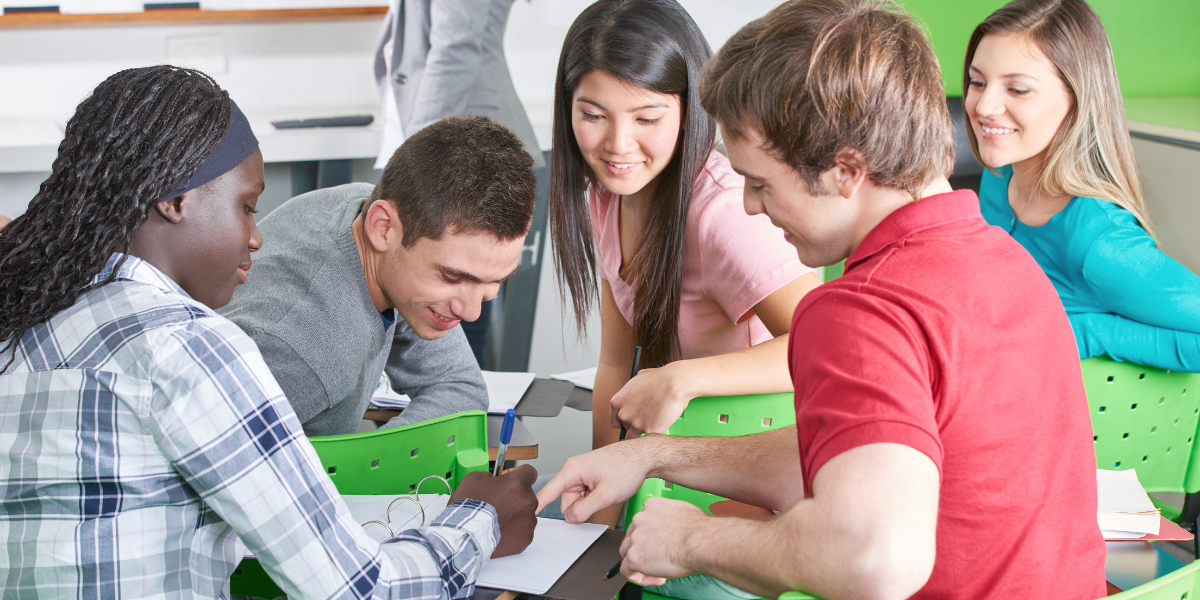
We can maximize instruction by effectively integrating social-emotional practices throughout the school day. Many times, we’ll hear from district leaders that they do not want to add another thing to educators’ plates. Good educators, though, are already doing many of these things. By emphasizing what educators are already doing by making their practices more intentional, they will better support their students’ social-emotional skill development.
Let’s look at three instructional components that educators are already using and understand how these practices can be crucial levers for fostering social-emotional skills.
- Learning Targets: Also known as learning objectives. To maximize learning, students need to understand what the instructional goal is and what they need to do to achieve that goal to make the most meaning of their learning. Many educators display these on their board so that students constantly have a reminder of the target of their learning. High-quality learning targets should feel attainable to students and allow them to reflect on their progress of those targets throughout the lesson.
- High-Leverage Instructional Practices: These are instructional strategies that can be used in the classroom to support positive learning environments, social-emotional competencies, and academic learning. Again, many educators already use these practices. By focusing more intentionally on the implementation, quality, and consistency of these practices, this will better support students’ social-emotional development.
- Interactive Pedagogy: What opportunities exist for students to be active participants in the learning process? Educators may use strategies like cooperative structures but there are other discussion-based ways to get students to demonstrate how they are applying what they are learning to their own understanding of material. Maximizing instruction is about inviting students to actively engage in their learning and growth, taking ownership of their learning, and co-constructing knowledge together with their peers.
Evidence for Social-Emotional Instruction in the Classroom
A long list of research exists that supports the importance of teaching social-emotional skills with intentionality, while also providing authentic opportunities for practice and generalization of skills. A meta-analysis (Durlak et al., 2011) of the impact of social-emotional learning found that K-12 students receiving universal and systemic social-emotional skills instruction demonstrated:
- Significant growth in social-emotional competence
- Improved attitudes about themselves and school
- Significant decreases in negative behaviors
- Increased academic performance
The Learning Policy Institute recently published a brief outlining the results of several meta-analyses looking at the evidence base for high-quality social-emotional programming from studies from around the globe. Another recent study was able to replicate Durlak’s original findings and identify some long-term outcomes (Cipriano et al., 2023). From that study, they found that around 16 weeks of social-emotional programming was the tipping point to achieve the outcomes found in Durlak’s results.
It makes sense, doesn’t it? Better social-emotional skills allow students to use those skills to create strong, positive relationships. Students can better apply those skills in challenging situations, reducing the likelihood of using less productive responses that may get them into trouble. This builds self-efficacy and contributes to students’ self-esteem. Students also built resilience for the next time they encounter a challenge.
Using Social-Emotional Teaching Practices in the Classroom
Taking a systemic approach provides the best chance for students to achieve desired goals. This approach hinges on sequenced, focused, and intentional evidence-based instruction to support all students at the classroom, small group, and individual levels. It also means bridging explicit opportunities for social-emotional skills instruction within other academic areas of instruction. Establishing meaningful instruction through learning targets, high-leverage instructional practices, and interactive pedagogy all contribute to impactful instruction and successful academic outcomes.
Effect on School Climate & Culture
Whether they are aware of it or not, educators already teach social-emotional skills throughout the instructional day. A more intentional focus on teaching these skills, however, will only strengthen students’ ability to apply them. Students demonstrate their understanding of these skills when they practice self-management when they get frustrated, build relationships with their peers, or know when to ask for help when they encounter a challenge they cannot overcome themselves.
Focusing on building these skills can transform a school culture into one where students have autonomy and educators feel empowered. By intentionally teaching these practices, progression of social-emotional and behavioral development over time results in schools better prepared to support students in nurturing their growth.
DESSA Supports Teaching Strategies for Social, Emotional, and Behavioral Development
The DESSA System combines evidence-based universal screeners and assessments with strategies and interventions for social-emotional instruction in the classroom. More than that, though, DESSA data provides a reliable data point in determining what instructional practices may provide more explicit opportunities to practice positive prosocial skills. Thereby making that instruction more impactful, all the while building resilience in students. Data from the DESSA informs educators’ understanding of their students’ social-emotional competence to guide their next steps in integrating social-emotional skills within instruction.
If you’re interested in learning more about a strength-based approach to measure social-emotional skills and how to use the data you collect to inform instruction, download our white paper.
Related Posts

.png?width=900&name=Riverside%E2%80%99s%20CogAT%20Selected%20for%20Statewide%20Universal%20Screening%20in%20AZ%20(1).png)
-1.png "Riverside Insights Logo")

.svg)
.svg)
.svg)