.svg "Logo Riverside")
Share:
.png?width=25&height=25&name=Social%20Icons%20(3).png)
.png?width=25&height=25&name=Social%20Icons%20(4).png)
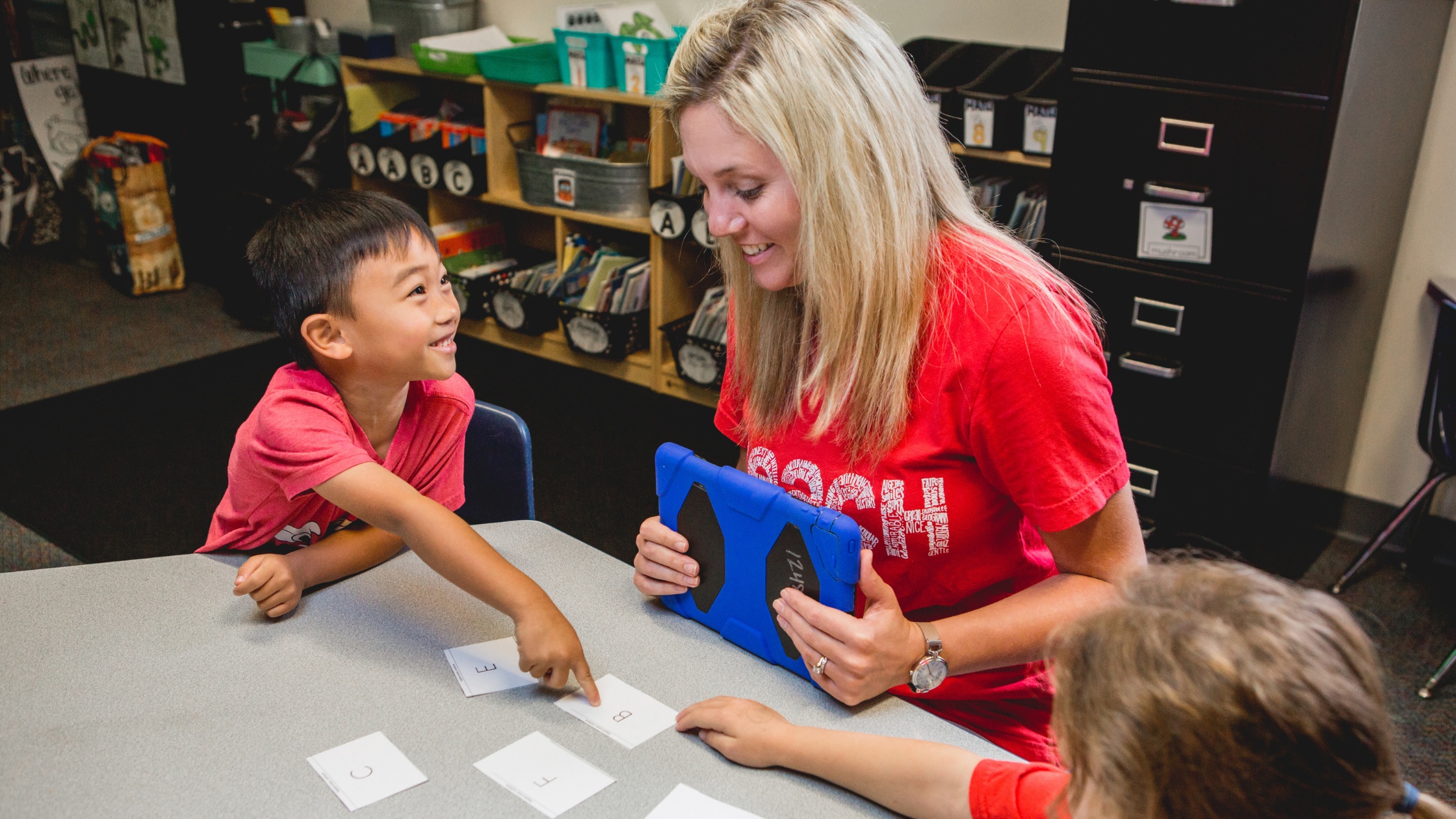
There are moments in education when a single meeting can change the direction of a child’s future.
For one kindergarten teacher, that moment came during a high-stakes meeting involving parents, administrators, a reading specialist, and a school psychologist. The family had been requesting retention for their child, believing he needed to repeat kindergarten due to struggles with focus, attention, and literacy.
But the teacher knew there was more to the story.
Throughout the year, she had consistently documented the student’s progress using ESGI. While the child struggled to sit still, stay focused, and fully engage during instruction, the data showed something important: growth was happening. 
The teacher had been closely monitoring his academic progress while also communicating regularly with the family. She recommended additional support through tutoring and summer learning opportunities, while collaborating with specialists and school leadership to better understand the student’s needs.
As concerns around retention increased, the teacher leaned into the one thing she knew would provide clarity: real-time classroom data.
Before the meeting, she met with the student one-on-one and reassessed him in reading, language arts, and math using ESGI. Moving through each assessment together, she quickly collected updated data that clearly showed measurable progress.
.jpg?width=326&height=217&name=WhittElem_45%20(1).jpg) The visual reports and graphs told the story immediately:
The visual reports and graphs told the story immediately:
- Scores were increasing
- Growth trends were visible
- Skill mastery had improved
- Areas of concern were easy to identify
Most importantly, the data helped the team recognize that the issue was not a lack of learning.
Instead, the evidence pointed toward challenges with focus, attention, and self-regulation that were impacting the student’s ability to fully participate in instruction.
The teacher’s ongoing ESGI data collection also revealed concerns that had not appeared as clearly in district benchmark scores. Because she had consistent, skill-based data from the classroom, she was able to advocate for additional reading support and intervention services that the student may not have otherwise received.
By the end of the meeting, the conversation had shifted completely.
Instead of focusing on retention, the team was able to focus on the student’s actual needs and next steps for support.
For this teacher, ESGI became more than an assessment tool. It became:
- a documentation system
- a communication bridge with families
- a way to advocate for intervention support
- and a tool for making informed instructional decisions in real time
“Because of the evidence I was able to collect and the documentation of data I had all year using ESGI, we were able to move past the retention question and focus on what this child truly needed.”
Stories like this are a powerful reminder that assessment is not just about scores. It’s about understanding the whole child, identifying growth that might otherwise be overlooked, and giving educators the tools to advocate with confidence. In early childhood classrooms, real-time data can change the conversation and the outcome for a student.
%20smaller.png?width=900&name=Floyd%20Elem%204%20(1)%20smaller.png)

-1.png "Riverside Insights Logo")

.svg)
.svg)
.svg)